Buy österreich.be ?
We are moving the project
österreich.be .
Are you interested in purchasing the domain
österreich.be ?
domain@kv-gmbh.de · 0541-91531010
Buy österreich.be ?
What is the mixing ratio 2?
Mixing ratio 2 refers to the ratio of the mass of water vapor to the mass of dry air in a sample of air. It is expressed as a ratio of grams of water vapor per kilogram of dry air. This ratio is important in meteorology and is used to calculate various atmospheric properties such as relative humidity and dew point. A higher mixing ratio 2 indicates a higher concentration of water vapor in the air. **
What is the mixing ratio of 1500?
The mixing ratio of 1500 is a ratio that represents the relationship between two quantities. In this case, it could be referring to a ratio of two different substances or components in a mixture. For example, a mixing ratio of 1500 could mean that there are 1500 parts of one substance to 1 part of another substance in the mixture. The specific interpretation of the mixing ratio of 1500 would depend on the context in which it is being used. **

Similar search terms for Mixing ratio
Top-Angebote
Products related to Mixing ratio:
-
JONAK Bottines élastiquées en cuir DanubeDétails produit • Hauteur de chaussure : 17 cm en taille 37 • Talon large • Hauteur de talon : 7,5 cm • Fermeture : A élastique • Bout amande Composition et Entretien • Dessus/Tige : 100% cuir • Doublure : 100% cuir • Semelle intérieure : 100% cuir • Semelle extérieure : 100% caoutchouc • FABRIQUÉ AU PORTUGAL.185,00 €*Shipping: 3,99 €Secure redirect to the provider

-
What is the mixing ratio in parts?
The mixing ratio in parts refers to the proportion of each component in a mixture, typically expressed as a ratio of parts. For example, a mixing ratio of 2:1 would mean that there are two parts of one component to one part of another component. This ratio helps ensure the proper balance of ingredients in a mixture to achieve the desired outcome, whether it's in cooking, crafting, or other applications. **
-
What is the mixing ratio of 12?
The mixing ratio of 12 refers to the proportion in which two or more substances are combined. For example, a mixing ratio of 1:2 would mean that for every 1 unit of the first substance, 2 units of the second substance are used. In the context of a recipe or chemical mixture, the mixing ratio of 12 would indicate that the two substances are combined in a 1:2 ratio, with the first substance being used in a smaller quantity compared to the second substance. **
-
How do you determine the mixing ratio?
The mixing ratio is determined by the desired concentration of the components being mixed. This can be calculated based on the specific requirements of the application or the desired properties of the final mixture. The mixing ratio can also be determined through experimentation and testing to find the optimal balance of the components. Additionally, manufacturers may provide guidelines or recommendations for the mixing ratio based on their product specifications. **
-
What is the mixing ratio of 501?
The mixing ratio of 501 refers to the ratio of two or more components in a mixture, typically used in the context of mixing chemicals or ingredients. For example, a mixing ratio of 501 could mean that for every 5 parts of one component, you need 1 part of another component. This ratio is often used in industrial and scientific settings to ensure precise and consistent mixtures of substances. **
What is the mixing ratio of gypsum?
The mixing ratio of gypsum is typically 1 part gypsum to 2-3 parts water by weight. This ratio is important to follow in order to achieve the proper consistency for gypsum-based products such as plaster or joint compound. It is important to carefully measure and mix the gypsum and water to ensure the desired strength and workability of the final product. **
What is the mixing ratio for concrete?
The mixing ratio for concrete typically consists of 1 part cement, 2 parts sand, and 3 parts gravel or crushed stone. This ratio is commonly referred to as the "1:2:3" mix. The exact proportions may vary depending on the specific application and the strength requirements of the concrete. Water is then added to the mix to create the desired consistency for pouring and shaping. **
Top-Angebote
Products related to Mixing ratio:
-
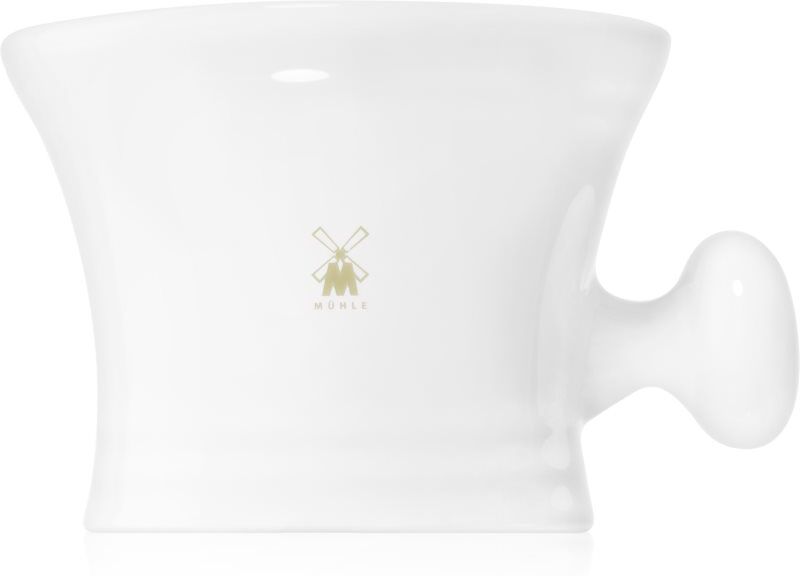
Mühle Accessories Porcelain Bowl for Mixing Shaving Cream bol en porcelaine rasage White 1 pcsMühle Accessories Porcelain Bowl for Mixing Shaving Cream, 1 pcs, Produits de barbier pour homme, L’accessoire stylé Mühle Accessories Porcelain Bowl for Mixing Shaving Cream deviendra bientôt un élément indispensable de votre trousse de cosmétique. Le produit : conception design30,31 €*Shipping: 3,45 €Secure redirect to the provider
-
JONAK Bottines élastiquées en cuir DanubeDétails produit • Hauteur de chaussure : 17 cm en taille 37 • Talon large • Hauteur de talon : 7,5 cm • Fermeture : A élastique • Bout amande Composition et Entretien • Dessus/Tige : 100% cuir • Doublure : 100% cuir • Semelle intérieure : 100% cuir • Semelle extérieure : 100% caoutchouc • FABRIQUÉ AU PORTUGAL.185,00 €*Shipping: 3,99 €Secure redirect to the provider
-
What is the mixing ratio 2?
Mixing ratio 2 refers to the ratio of the mass of water vapor to the mass of dry air in a sample of air. It is expressed as a ratio of grams of water vapor per kilogram of dry air. This ratio is important in meteorology and is used to calculate various atmospheric properties such as relative humidity and dew point. A higher mixing ratio 2 indicates a higher concentration of water vapor in the air. **
-
What is the mixing ratio of 1500?
The mixing ratio of 1500 is a ratio that represents the relationship between two quantities. In this case, it could be referring to a ratio of two different substances or components in a mixture. For example, a mixing ratio of 1500 could mean that there are 1500 parts of one substance to 1 part of another substance in the mixture. The specific interpretation of the mixing ratio of 1500 would depend on the context in which it is being used. **
-
What is the mixing ratio in parts?
The mixing ratio in parts refers to the proportion of each component in a mixture, typically expressed as a ratio of parts. For example, a mixing ratio of 2:1 would mean that there are two parts of one component to one part of another component. This ratio helps ensure the proper balance of ingredients in a mixture to achieve the desired outcome, whether it's in cooking, crafting, or other applications. **
-
What is the mixing ratio of 12?
The mixing ratio of 12 refers to the proportion in which two or more substances are combined. For example, a mixing ratio of 1:2 would mean that for every 1 unit of the first substance, 2 units of the second substance are used. In the context of a recipe or chemical mixture, the mixing ratio of 12 would indicate that the two substances are combined in a 1:2 ratio, with the first substance being used in a smaller quantity compared to the second substance. **
Similar search terms for Mixing ratio
-
How do you determine the mixing ratio?
The mixing ratio is determined by the desired concentration of the components being mixed. This can be calculated based on the specific requirements of the application or the desired properties of the final mixture. The mixing ratio can also be determined through experimentation and testing to find the optimal balance of the components. Additionally, manufacturers may provide guidelines or recommendations for the mixing ratio based on their product specifications. **
-
What is the mixing ratio of 501?
The mixing ratio of 501 refers to the ratio of two or more components in a mixture, typically used in the context of mixing chemicals or ingredients. For example, a mixing ratio of 501 could mean that for every 5 parts of one component, you need 1 part of another component. This ratio is often used in industrial and scientific settings to ensure precise and consistent mixtures of substances. **
-
What is the mixing ratio of gypsum?
The mixing ratio of gypsum is typically 1 part gypsum to 2-3 parts water by weight. This ratio is important to follow in order to achieve the proper consistency for gypsum-based products such as plaster or joint compound. It is important to carefully measure and mix the gypsum and water to ensure the desired strength and workability of the final product. **
-
What is the mixing ratio for concrete?
The mixing ratio for concrete typically consists of 1 part cement, 2 parts sand, and 3 parts gravel or crushed stone. This ratio is commonly referred to as the "1:2:3" mix. The exact proportions may vary depending on the specific application and the strength requirements of the concrete. Water is then added to the mix to create the desired consistency for pouring and shaping. **
* All prices are inclusive of VAT and, if applicable, plus shipping costs. The offer information is based on the details provided by the respective shop and is updated through automated processes. Real-time updates do not occur, so deviations can occur in individual cases. ** Note: Parts of this content were created by AI.